
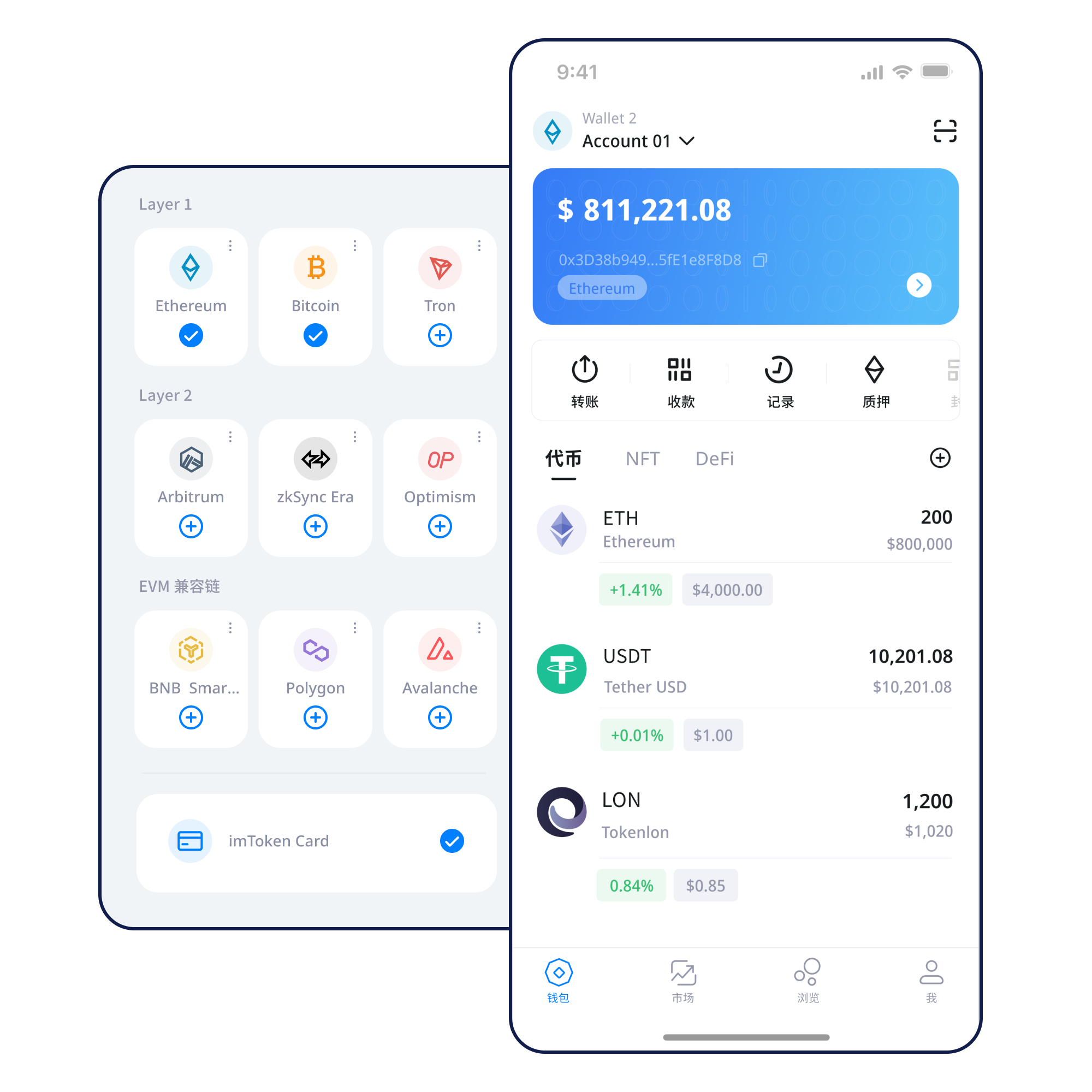
Understand the core relationships in imtoken App
Use the mobile wallet to view assets, manage networks, send transactions and verify on-chain results. In this topic, mobile device, network switching and asset view should be understood as connected parts of the same on-chain workflow. A wallet interface is a view and signing tool, while the actual outcome still depends on the selected network, destination, contract rules and block confirmation.
When building a reliable routine for imtoken App, include transaction history and DApps in the same review path. A display delay, pending state or third-party prompt should be checked against public chain data and the active network before you repeat a transaction, signature or approval.
A practical imtoken App workflow
A practical sequence starts by confirming mobile device and network switching, checking that asset view matches the intended action, reviewing the information related to transaction history, and keeping DApps for later verification. This order reduces mistakes caused by look-alike addresses, network changes, cached interfaces or misleading third-party prompts.
If a DApp or smart contract is involved, treat connection, message signing, transaction signing and token approval as separate actions. A successful connection does not make later requests trustworthy. Review every request on its own and remove sessions or permissions that are no longer needed.
Risk and verification points
Risk often comes from skipping a small detail: trusting a label without checking mobile device, copying a destination without confirming network switching, ignoring asset view, or approving a request related to transaction history that you cannot explain. Familiar-looking screens are not a substitute for verifying the network, address, contract and permission.
The security rules remain consistent: users keep seed phrases and private keys under their own control; legitimate support does not request them or verification codes. Confirmed blockchain transactions are generally not reversible by a wallet, and third-party DApps and smart contracts can introduce technical, operational or phishing risk.
How to verify outcomes independently
To verify a imtoken App outcome independently, use the public address, the correct network explorer and verifiable information such as DApps. If the wallet display differs from chain data, check the active network, node or indexing state before taking another asset-moving action.
When information conflicts, prefer a reputable block explorer, protocol documentation and a trusted saved entry point over search ads, unsolicited social messages, unknown support accounts or look-alike domains. For staking and validator services, also evaluate waiting time, fees, contract risk and market volatility.